The Standard
Safer, Cleaner, Faster.
Fluid maintenance, re-engineered.
Change the Process.
Improve Every Service.
RPM replaces the traditional oil change with one controlled, repeatable system for every machine.

Purge
Remove the oil before removing the filter.
Compressed air pushes hot oil out of the filters and back into the sump before the technician handles them.
- Reduced burn exposure
- Less dripping and cleanup
- Cleaner filter removal
Evacuate
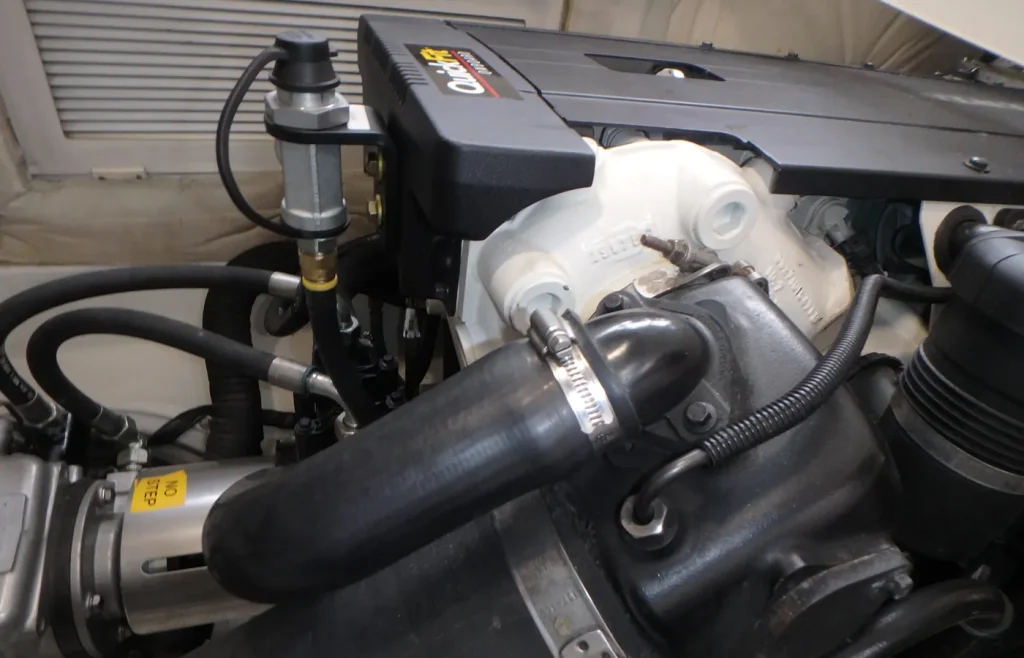
Move used oil directly to final containment.
Used oil is pumped out from the engine or fluid compartment through a closed connection and directly into the shop or service truck waste-oil containment system.
- No drain pans or open containers
- Fast fluid removal
- Zero spills

Refill
Pump clean oil back through the new filters.
Fresh oil passes through the new filters before entering the sump. This supports contamination control, fills the filters, and prepares the engine for a protected start. With compatible RPM systems, the engine automatically builds oil pressure before it is allowed to crank.
- Oil-level verification before cranking
- Protection from dry-start wear
- Reduce service time up to 80%
Put the New Standard to Work.
RPM engineers the full system: onboard components, permanent connections, and the service equipment that runs Purge, Evacuate, and Refill in any maintenance environment.
Every configuration starts with three questions: what machine you’re servicing, which fluid compartments need service, and where your evacuation power comes from. RPM engineers work through those answers with you and design the system around your operation.
- Oil & Fluid Evacuation
- Engine Pre-Lubrication
- Mobile Service Tools
- Maintenance Software (ConnexionMobile)
How it works
Same Maintenance Interval. A Completely Different Process.
Fewer movements. Less handling. A process technicians can repeat across the fleet.
Partnership means support at every stage of the process.
A better maintenance standard must work with your equipment, your technicians, and the service infrastructure you already use. RPM helps teams move from evaluation to a repeatable operating process.
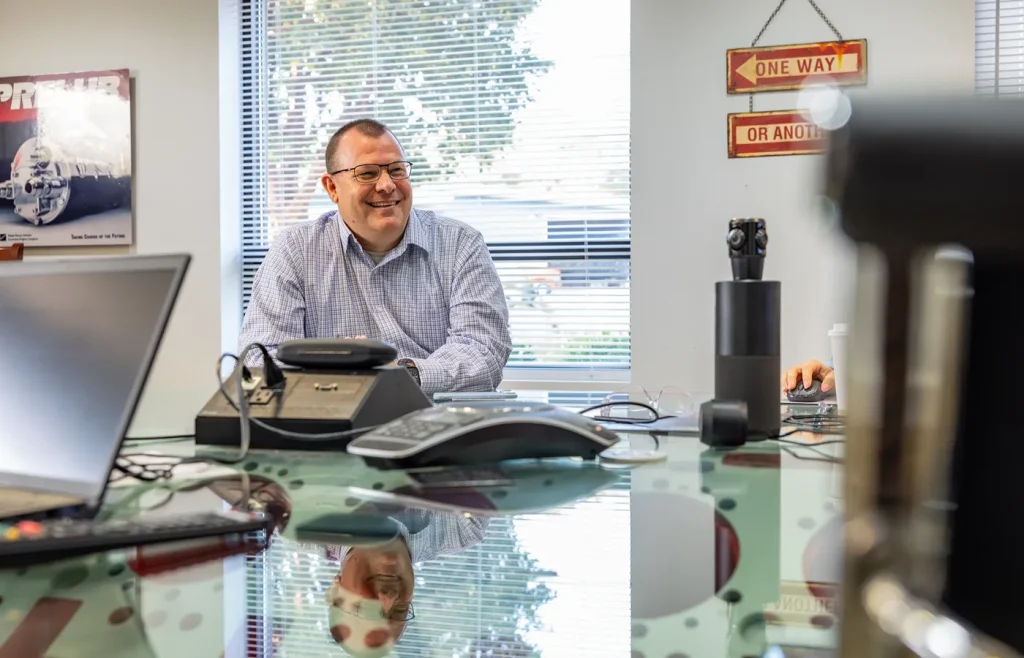
- Equipment Review
Identify machines, engines, fluid compartments, and service environments.
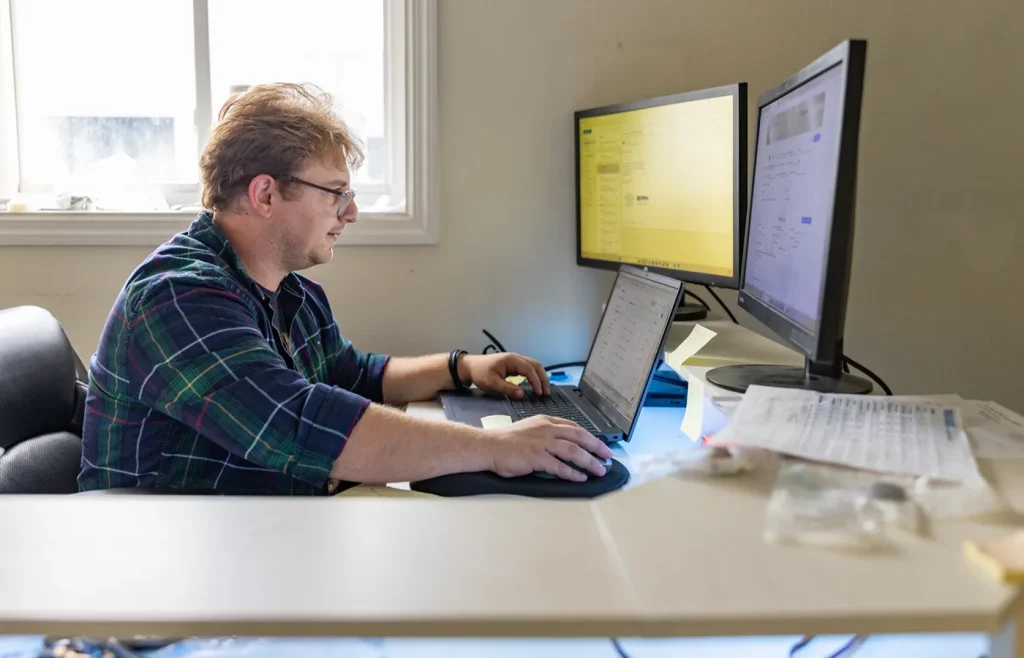
- Application Engineering

- Shop or Truck Integration
Coordinate pumps, hoses, reels, tanks, controls, adapters, and existing infrastructure.
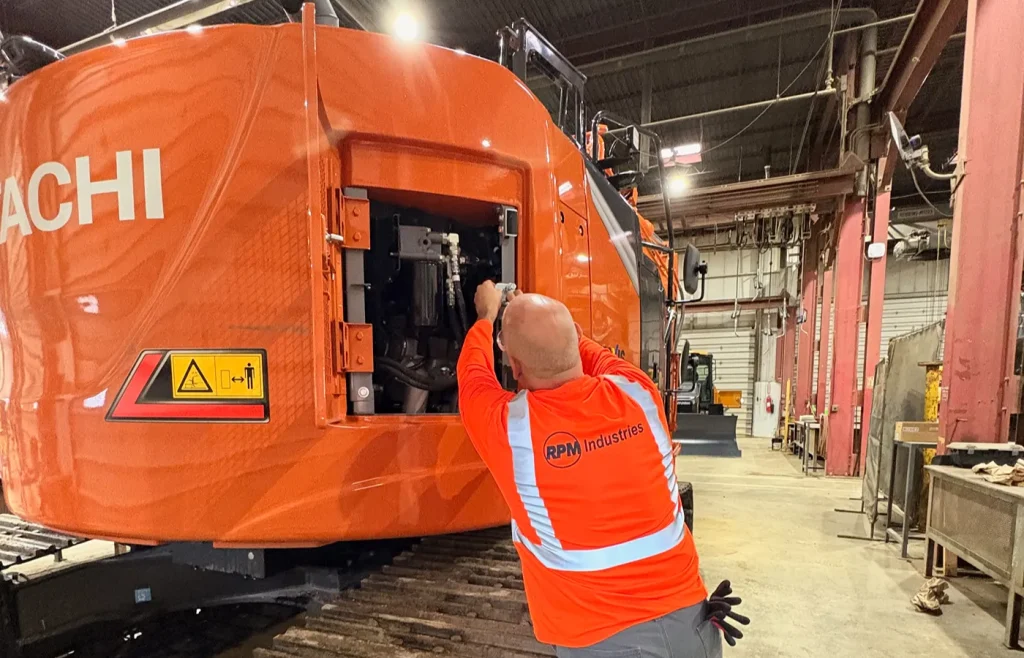
- Installation & Training
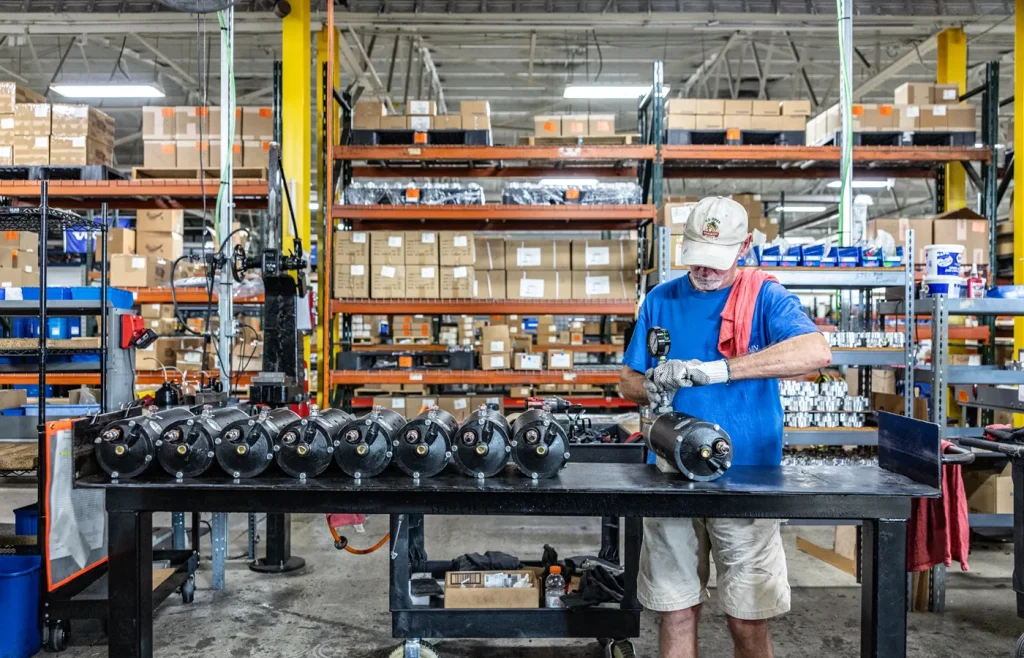
- Expansion
Extend the standard to additional assets, locations, and equipment types.
The Old Way Had a Good Run.
Your equipment has changed. Your safety expectations have changed. The demands on your maintenance team have changed. Your oil-change process can change too.
Purge. Evacuate. Refill.
Make preventive maintenance safer, cleaner, and faster with RPM.